Polycystic Ovarian Disease (PCOD) is one of the most common hormonal disorders affecting women in their reproductive years, typically between the ages of 12 and 45. It is characterized by hormonal imbalances that disrupt normal ovulation and menstrual cycles.
This condition is increasingly common, particularly in urban populations, due to lifestyle factors such as poor diet, physical inactivity, and stress. It affects almost 9-22% females in India. Though not life-threatening, PCOD can affect fertility, metabolism, appearance, and overall well-being if not properly managed.
How ovaries function normally?
The ovaries are a vital part of the female reproductive system. They are responsible for releasing eggs each month (a process called ovulation) and for producing essential hormones like estrogen, progesterone, and androgens. These hormones regulate the menstrual cycle, support pregnancy, and maintain hormonal balance.
What Happens in PCOD?
In PCOD, the ovaries start releasing multiple immature eggs in a single cycle. These eggs do not get released during ovulation, instead, they accumulate inside the ovaries and form small cysts. This build-up can enlarge the ovaries and cause them to produce excess levels of androgens (male hormones), disrupting the delicate hormonal balance.
Presentation of PCOD
- Irregular menstrual periods
- Difficulty conceiving
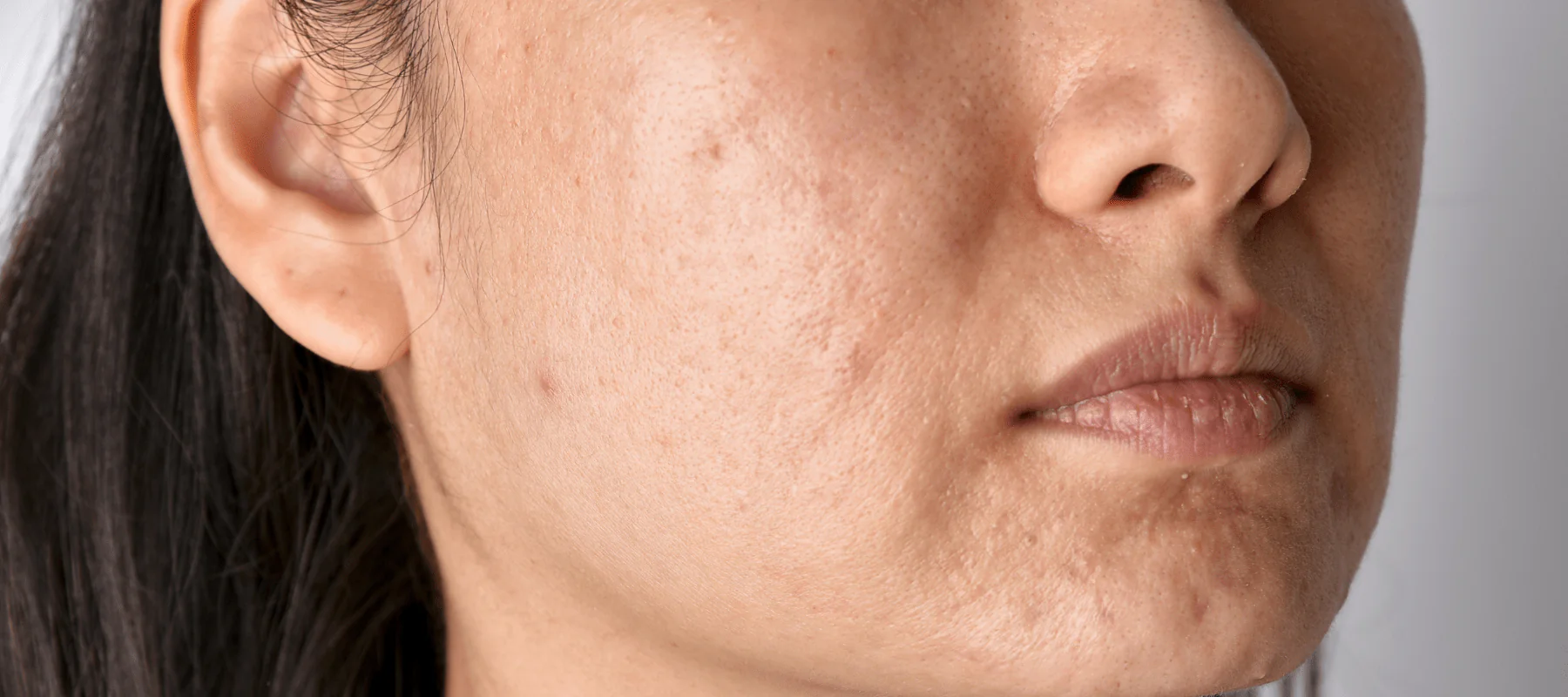
- Acne or oily skin
- Excessive facial or body hair (hirsutism)
- Thinning scalp hair
- Weight gain, especially around the abdomen
How is PCOD Diagnosed?
Medical history – Frequency of periods, flow, issues related to fertility, excessive hair growth over face or body, weight gain, hair fall, pimples not responding to treatment easily, sleep pattern, physical activity, diet, life-style, addictions etc.
Blood tests – AMH, Testosterone, Prolactin, DHEAS, Androstenedione, 17 alpha hydroxy-Progesterone levels.
Sonography – to evaluate size of both ovaries, presence/absence of cysts.
“Not all women with PCOD will have irregular periods or visible cysts on their ovaries.”
What to Expect When You Visit a Doctor for PCOD
If you’re experiencing symptoms like irregular periods, acne, weight gain, or excess hair growth, visiting a qualified doctor (Dermatologist/ Gynaecologist or Endocrynologist) is the first step toward diagnosis and effective management of PCOD.
Expect a personalized treatment plan tailored to your symptoms, lifestyle, and future goals like pregnancy or symptom control.
While there is no permanent cure for Polycystic Ovarian Disease (PCOD), it can be effectively managed through a combination of lifestyle changes, medications, and, in rare cases, surgical intervention. The goal of treatment is to regulate hormone levels, restore ovulation, manage symptoms, and prevent long-term complications such as diabetes, infertility, or cardiovascular issues.
Multidisciplinary Approach
Managing PCOD often requires a team of specialists, depending on the symptoms and complications you experience. This team may include:
- Gynecologist – for hormonal balance and menstrual health
- Endocrinologist – to address insulin resistance or metabolic issues
- Infertility specialist – for ovulation-related treatments
- Dermatologist – for skin and hair-related symptoms
- Dietitian – to develop a sustainable, PCOD-friendly diet plan
Lifestyle Changes for PCOD Management
- Weight Management
Even a modest weight loss of 5% to 10% of body weight can significantly improve hormonal balance, regulate menstrual cycles, and improve fertility. This can also reduce insulin resistance and androgen levels.
- Diet and Nutrition
Diet plays a central role in managing Polycystic Ovarian Disease (PCOD). Since PCOD is closely linked to hormonal imbalance and insulin resistance, eating the right foods can help regulate blood sugar levels, support weight management, and improve overall hormonal health. Hence, adopting a balanced, low-glycemic index (GI) diet is crucial. Recommended dietary habits include:
- Reducing intake of refined carbohydrates and sugars
- Increasing fiber-rich foods like whole grains, vegetables, and legumes
- Prioritizing lean proteins and healthy fats
- Avoiding processed foods and sugary snacks
- Physical Activity
Regular exercise helps improve insulin sensitivity, supports weight loss, and promotes emotional well-being. Aim for:
- At least 150 minutes of moderate-intensity exercise per week (e.g., walking, cycling, swimming)
- Strength training 2–3 times a week to build muscle and improve metabolism.